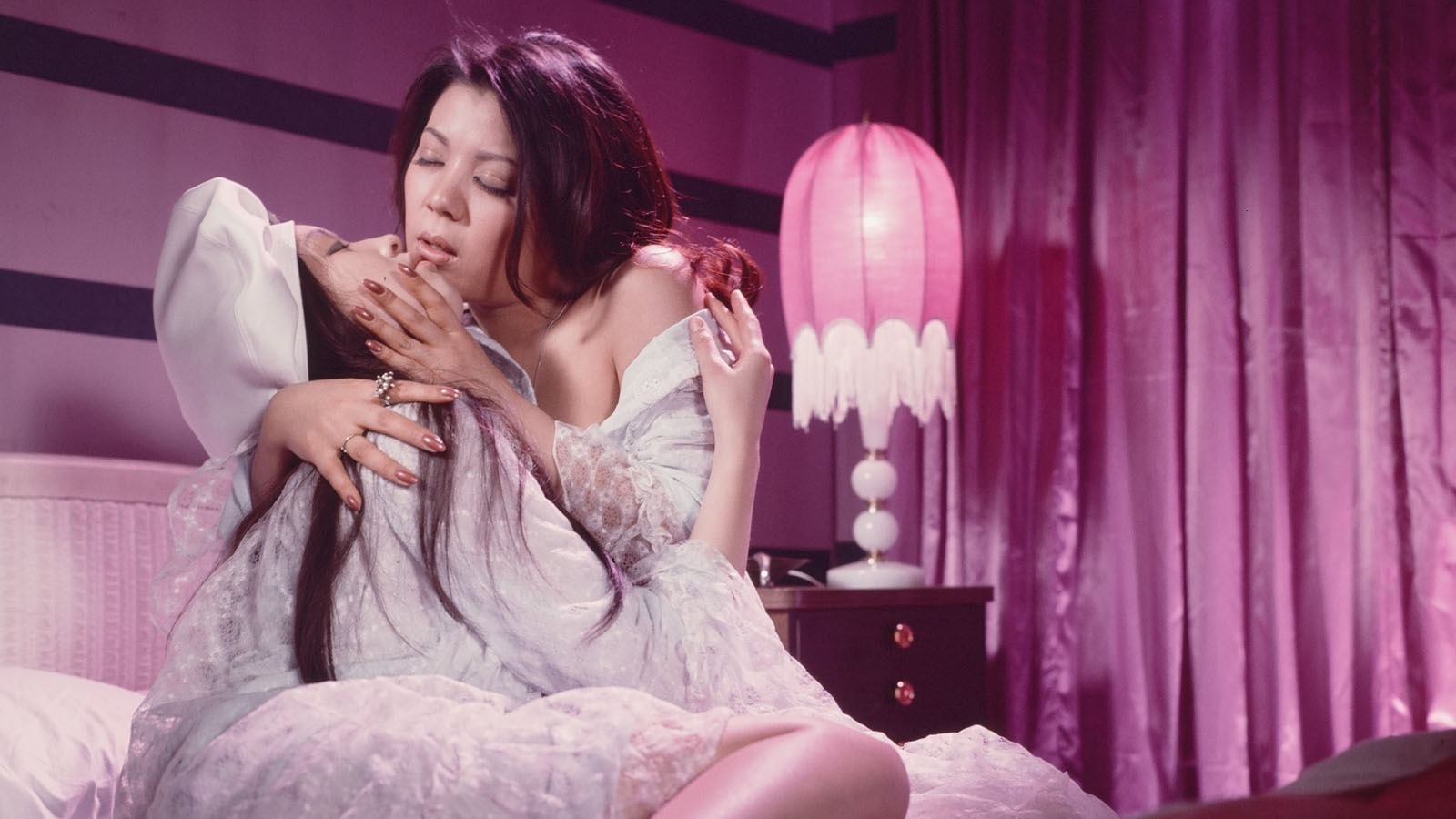
Image via Criterion Current
Nikkatsu Roman Porno retrospective opens in New York
A twelve-film retrospective of the studio’s Roman Porno sexploitation slate opens in Manhattan through December 6.
retro cinema
The Rundown · Quick Summary
Japan Society is screening twelve Nikkatsu Roman Porno films in Manhattan through December 6. The series highlights the studio’s 1971 shift from dramas to sexploitation features. Jasper Sharp argues the cycle reflected changing censorship and audience preferences. The lineup includes works by Noboru Tanaka and Tatsumi Kumashiro. The retrospective ends with Shusuke Kaneko’s Last Cabaret.
Japan Society Presents Nikkatsu’s Golden Age of Eros in New York
Japan Society in New York will present Nikkatsu’s Golden Age of Eros, a selection of twelve significant Roman Porno films, from Friday through December 6, according to Criterion Current. The retrospective traces the Japanese studio’s pivot in 1971 from socially conscious dramas to a branded series of sexploitation features after independent pinku eiga producers began drawing audiences away amid a television-driven decline in ticket sales.
The Roman Porno pivot and its social context
Jasper Sharp, cofounder of Midnight Eye and author of Behind the Pink Curtain: The Complete History of Japanese Sex Cinema, argues that Nikkatsu’s shift toward erotic cinema was shaped by global conditions around 1971 and the breakdown of censorship in that decade. He notes that Japanese audiences preferred domestic productions, which held over half the market share until the mid-1970s, so the studio’s move to Roman Porno carried considerable social impact.
Sharp adds that the cycle shifted narrative focus from male to female leads, with stories written to reflect that change. He contrasts the cycle with contemporaneous British sex comedies, stating that the Nikkatsu features are far better made and involve more intellectual content.
Directors and selections in the Japan Society series
The series opens with Noboru Tanaka’s A Woman Called Sada Abe (1975), based on the true story of a geisha who strangled a restaurateur in 1936. James Balmont wrote in a 2024 Dazed feature that Tanaka’s literary interests led him to adapt the grotesque work of Edogawa Ranpo, including Watcher in the Attic (1976).
Tanaka also directed three other entries: Woman on the Night Train (1972), The Oldest Profession (1974), and Scent of a Spell (1985). Tatsumi Kumashiro contributes Woods Are Wet (1973), a loose adaptation of Justine that Sharp called a full-on assault on Japanese censorship, and The World of Geisha (1973), which Kinema Junpo named one of the ten best Japanese films of that year. Koyu Ohara’s Shinjuku Midnight Story: Man and Woman (1972) centers on a nightclub hostess and a trans woman, while Yoichi Higashi’s Love Letter (1981) depicts an affair between a young woman and an older poet.
Closing the retrospective
The retrospective concludes with Shusuke Kaneko’s Last Cabaret (1988), the second-to-last entry in Roman Porno’s seventeen-year run, described as the clearly metaphorical story of an erotic nightclub facing redevelopment. Programmers selected the twelve titles to represent what they regard as the most significant works of the era.
Source: [Criterion Current](https://www.criterion.com/current/posts/9347-nikkatsu-s-golden-age-of-eros)
What Remains Unconfirmed
- Whether additional screenings or related programming will accompany the twelve-film run beyond the stated dates.
Nikkatsu’s Golden Age of Eros
Published by Criterion Current